
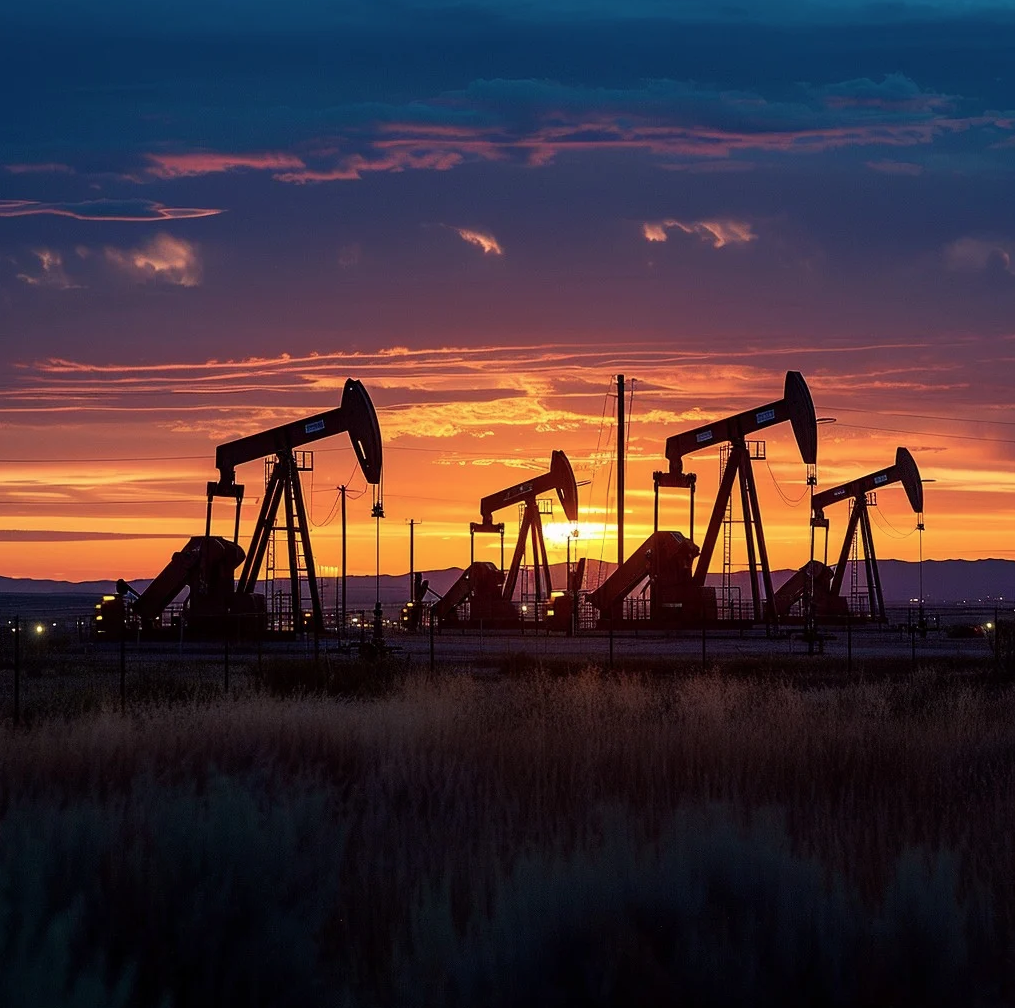
Oilfield Saltwater & Wastewater Property Damage in Oklahoma
Oilfield wastewater—often called saltwater or produced water—has become a growing concern across Oklahoma. Reports and investigations have documented instances where this highly saline, chemical-laden water has escaped containment, damaging farmland, contaminating water sources, and harming livestock.
When oilfield wastewater impacts land, wells, or agricultural operations, the resulting damage can be long-lasting and costly. Understanding the legal options available under Oklahoma law is an important step toward accountability and recovery.
If you think your property has been affected by oilfield wastewater, contact us today!
Click to call (405) 882-7667
Common Questions
Contact us for a free review!
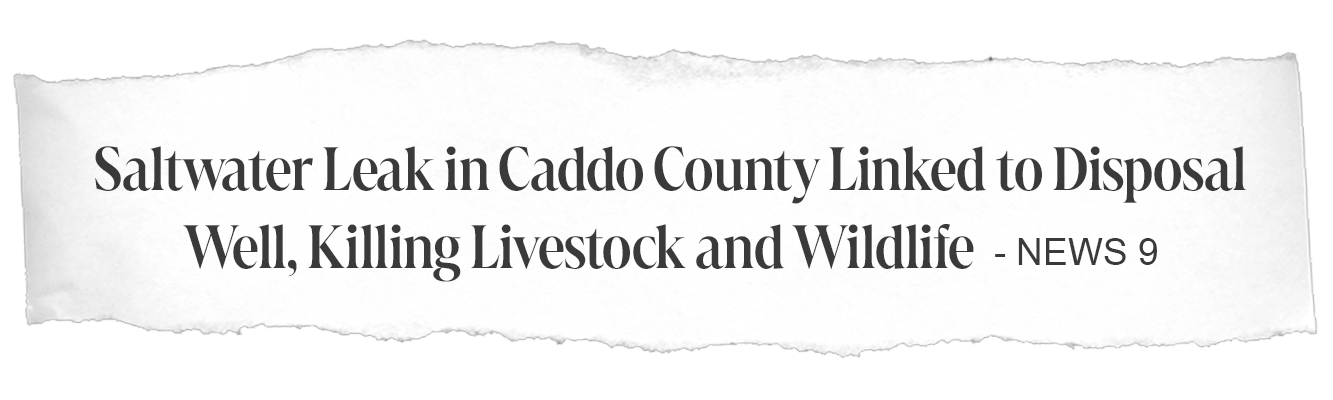
Understanding Oilfield Saltwater Contamination
Saltwater is a byproduct of oil and gas production. It is commonly stored, transported, or injected into underground disposal wells. When systems fail—through leaks, overflows, surface spills, or underground migration—this wastewater can surface or spread beyond its intended containment.
Documented impacts have included:
Loss of soil productivity due to high salinity
Contamination of private water wells and surface water
Damage to crops, pastureland, and grazing areas
Illness or death of cattle and other livestock
Reduced property value and long-term land impairment
In many cases, the effects are not immediately visible and may worsen over time.
Legal Options for Property Damage Claims
Oklahoma law recognizes that landowners may have legal remedies when industrial activity causes property damage. Depending on the facts, claims may involve:
Negligent operation or maintenance of disposal wells
Failure to prevent or respond to saltwater leaks
Contamination of soil, groundwater, or surface water
Damage to agricultural operations or livestock
Each situation is fact-specific. A legal review can help determine whether responsibility may rest with an operator, contractor, or other involved party.
Why Legal Review Matters
Oilfield wastewater cases often involve technical data, regulatory records, and environmental testing. Without proper review, damage may be underestimated or misattributed. Here’s our process:
Evaluate contamination and damage evidence
Identify potentially responsible parties
Assess short-term and long-term losses
Navigate insurance and regulatory overlap
Pursue appropriate compensation where available
Free, Confidential Case Review
Property damage related to oilfield saltwater contamination can have lasting consequences for land, water, and agricultural operations. A no-obligation legal review can help clarify available options and next steps.
-
Produced water is wastewater that comes up from the ground during oil and gas production. It often contains high salt levels, hydrocarbons, heavy metals, and other contaminants.
-
Saltwater can kill vegetation, degrade soil, contaminate wells, and render land unsuitable for farming or grazing. In some cases, damage may be permanent without remediation.
-
Exposure to contaminated water or land has been reported to cause illness or death in cattle and other animals, depending on concentration and duration of exposure.
-
Responsibility can vary and may include oil and gas operators, disposal well operators, or contractors. Liability depends on the facts, regulatory compliance, and operational conduct.
-
Yes. Oklahoma law places time limits (statutes of limitation) on property damage claims. Prompt review helps preserve potential rights.
-
Bolitho Law offers free initial consultations to evaluate whether a claim may exist and explain potential next steps.
Common Questions
Number of Injection Wells in Top Oil-Producing States
Oklahoma has the third-largest number of injection wells in the country.
| State | Injection Wells |
|---|---|
| Texas | 49,821 |
| California | 37,378 |
| Oklahoma | 10,407 |
| Wyoming | 4,756 |
| New Mexico | 3,790 |
| Ohio | 2,138 |