
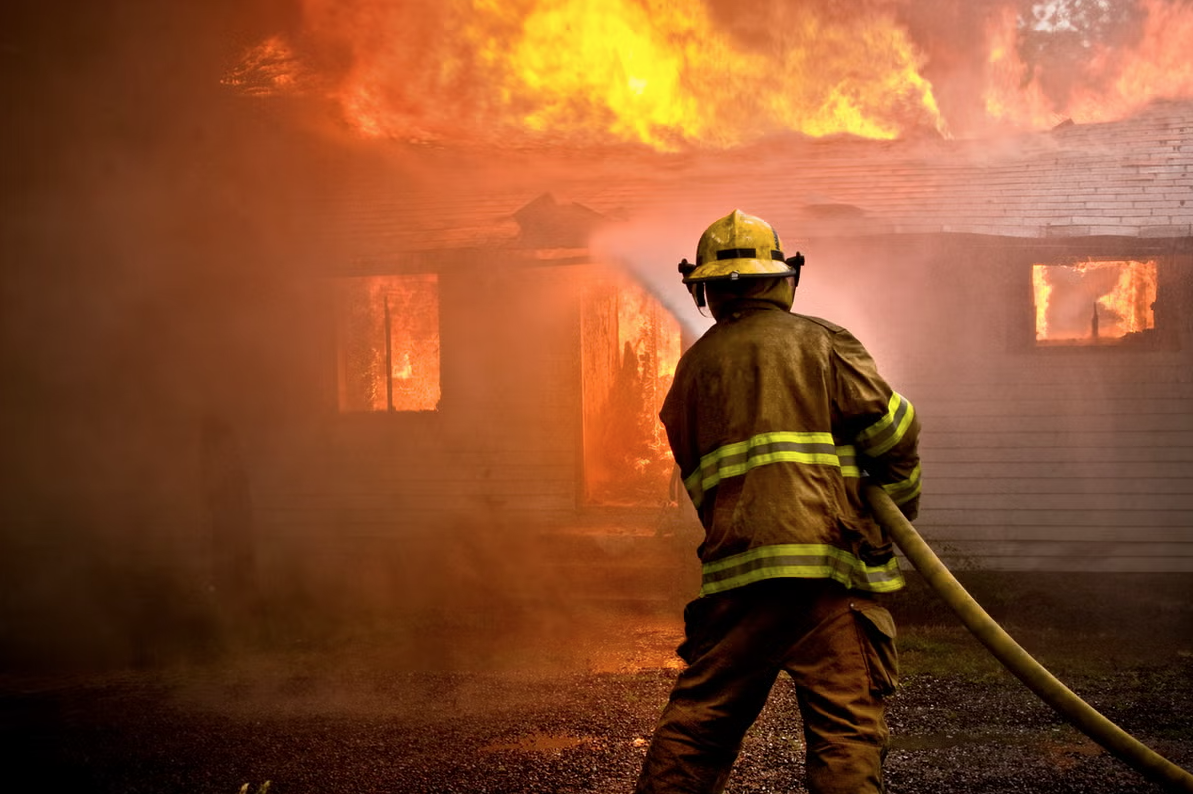
Understanding the timeline for insurance claims, rebuilding, and getting life back to normal after a house fire in Oklahoma.
A house fire can change your life in a matter of minutes. Even after the flames are extinguished and the fire trucks leave, the damage is often just beginning to be understood. Homeowners are left facing difficult decisions about where to live, what can be saved, how to rebuild, and how to navigate an insurance process they may have never experienced before.
One of the first questions homeowners ask after a fire is, "How long will it take to get back to normal?"
The answer depends on several factors, including the extent of the damage, the complexity of the insurance claim, and the availability of contractors. For some homeowners, recovery may take a few months. For others, particularly those who have experienced a total loss, the process can take a year or longer.
Understanding what to expect can help Oklahoma homeowners prepare for the months ahead and avoid mistakes that could make an already difficult situation even more challenging.
The First Few Days: Safety, Documentation, and Immediate Needs
The first 24 to 72 hours after a house fire are often overwhelming. Homeowners may be dealing with temporary housing, replacing essential belongings, communicating with insurance companies, and trying to understand the extent of their losses.
During this period, the most important priorities are ensuring everyone's safety, securing the property when it is safe to do so, and documenting the damage.
Homeowners should also begin reviewing their insurance coverage, particularly provisions related to temporary housing and additional living expenses (ALE). Depending on the policy, these benefits may help cover certain costs associated with living elsewhere while the home is being repaired or rebuilt.
This is also an important time to consider speaking with an attorney experienced in property insurance claims. Decisions made during the first few days, including how damage is documented and what agreements are signed, can affect the insurance process later.
At Bolitho Law, we encourage Oklahoma property owners to seek guidance early, sometimes even before submitting their insurance claim. Understanding your coverage and responsibilities from the beginning can help prevent unnecessary complications.
The First Few Weeks: Assessing the Full Extent of the Damage
Once the immediate emergency has passed, attention turns toward evaluating the damage.
An insurance adjuster will typically inspect the property to determine the extent of the loss. Depending on the severity of the fire, additional inspections may be needed from structural engineers, restoration professionals, electricians, or other specialists.
One of the challenges with fire damage is that what you can see is not always the full extent of the loss.
Smoke and soot can travel throughout a home, affecting rooms that were never directly exposed to flames. Water used to extinguish the fire can damage flooring, insulation, walls, and electrical systems. Heat may compromise structural materials even when they appear relatively intact.
These secondary forms of damage can significantly affect the cost and timeline of recovery.
A thorough inspection is essential. If damage is overlooked during the initial assessment, homeowners may encounter unexpected expenses and additional delays once repairs begin.
The Insurance Claim Process: Weeks to Several Months or Longer
For many homeowners, the insurance claim becomes one of the most time-consuming parts of recovering from a house fire.
The process may involve reviewing coverage, documenting damaged belongings, obtaining repair estimates, negotiating the scope of repairs, and determining the amount the insurance company will pay.
A relatively straightforward claim may be resolved within several weeks or months. More complicated claims, especially those involving major structural damage, disputed repair costs, or disagreements about coverage, can take considerably longer.
Common reasons fire insurance claims become delayed include:
Disagreements over whether damaged materials should be repaired or replaced.
Disputes about smoke, soot, and water damage.
Incomplete estimates that leave out necessary repairs.
Delays in inspections, documentation, or communication.
Disagreements over the value of personal belongings.
Questions about policy limits, exclusions, or additional living expenses.
In Oklahoma, insurance companies have legal obligations regarding the handling of claims. However, the specific deadlines and requirements depend on the circumstances, and a claim is not necessarily required to be fully settled within a single fixed period.
When disagreements arise, homeowners may find themselves waiting for answers while repair costs, temporary housing expenses, and other financial pressures continue to grow.
An attorney familiar with Oklahoma property insurance law can help review the policy, evaluate the insurance company's position, and address disputes that may be delaying recovery.
Repairing or Rebuilding the Home: Several Months to More Than a Year
Once the damage has been evaluated and the necessary funding and approvals are in place, the physical restoration process can begin.
The timeline depends heavily on how much of the home was damaged.
For minor fires confined to a small area, repairs may take a few weeks to several months. More extensive fires involving structural damage, electrical systems, roofing, or multiple rooms can require significantly more time.
When a home is considered a total loss, rebuilding may take a year or longer, particularly if the project requires demolition, new construction plans, permits, and coordination among multiple contractors.
These are general estimates. Insurance disputes, contractor availability, permitting, and the extent of damage can substantially change the timeline. Claim handling and construction may overlap.
Even after construction begins, unexpected problems can emerge. Hidden smoke damage, compromised framing, electrical issues, and moisture trapped behind walls may require additional work.
If the insurance company's original estimate does not account for these conditions, the homeowner may need to request additional compensation through a supplemental claim.
This is one reason having an accurate and comprehensive damage assessment early in the process is so important.
Temporary Housing: How Long Will Insurance Pay?
For homeowners whose houses are uninhabitable, temporary housing can become one of the largest concerns during recovery.
Many homeowners insurance policies include additional living expense coverage, sometimes called loss of use coverage. This may help pay for reasonable increases in living expenses, such as temporary housing and certain additional food or transportation costs.
However, this coverage is not unlimited.
Policies may contain dollar limits, time restrictions, or requirements that expenses be necessary and reasonable. Some coverage may end once the home is reasonably habitable again, even if other aspects of the insurance claim remain unresolved.
If rebuilding takes longer than expected, homeowners could face the possibility of exhausting their temporary housing benefits before they are able to return home.
Understanding these limits early can help families make more informed decisions about housing and rebuilding.
It is also important to keep receipts and records of additional expenses throughout the recovery process.
The Hidden Timeline: Replacing Everything Inside the Home
While much of the attention after a fire is focused on the structure itself, replacing personal property can be another lengthy and emotionally difficult process.
Furniture, clothing, electronics, appliances, family belongings, and everyday household items may all need to be inventoried and evaluated.
Insurance companies commonly require documentation describing damaged or destroyed items, including their age, condition, and estimated value.
For families who have lived in the same home for many years, creating this inventory can take weeks or even months.
Some policies provide replacement cost coverage for personal property, while others may initially pay actual cash value, accounting for depreciation. Additional payments may depend on replacing the items and submitting appropriate documentation.
Homeowners should carefully review their policy before discarding damaged belongings or making assumptions about what will be reimbursed.
The personal property portion of a fire claim can remain open even after repairs to the home have been completed.
Why Some Fire Recoveries Take Much Longer Than Expected
Every fire is different, but several issues frequently contribute to extended recovery timelines.
One of the most significant is an incomplete initial damage assessment. If smoke contamination, structural damage, or water damage is not properly identified, homeowners may discover problems after repairs have already started.
Another common issue is disagreement over the cost of restoring the property. An insurance company's estimate may differ substantially from estimates provided by local contractors or restoration specialists.
These disagreements can create delays while the parties determine what work is necessary and what the policy covers.
In some cases, homeowners may also encounter denied or underpaid claims, requiring additional documentation, negotiation, or legal action.
Unfortunately, these complications can arise at a time when homeowners are already dealing with the emotional and financial consequences of losing their home.
Why Having an Attorney Matters
Recovering from a house fire is complicated enough without having to navigate the insurance process on your own. Insurance companies handle claims every day, but most homeowners will only experience a major loss once in their lifetime. That difference in experience can put homeowners at a disadvantage. Having an attorney represent you from the beginning helps ensure your damage is properly documented, your policy is thoroughly reviewed, and your interests are protected throughout the process. At Bolitho Law, we help Oklahoma homeowners navigate these challenges so they can focus on rebuilding their homes and their lives.
How to Avoid Unnecessary Delays After a House Fire
Although some delays are unavoidable, there are steps homeowners can take to protect themselves and help the recovery process move forward.
Begin documenting the damage as soon as it is safe. Take photographs and videos, keep copies of communications with the insurance company, and maintain records of all expenses related to the fire.
Avoid rushing into permanent repairs or signing agreements before understanding how they may affect your insurance claim. Emergency measures to prevent further damage may still be necessary, and homeowners should comply with their policy's requirements.
It is also important to understand that the insurance company's initial estimate may not represent the full cost of restoring the property.
If something seems incomplete, unclear, or inconsistent with what contractors are finding, ask questions before accepting a final settlement.
Perhaps most importantly, consider obtaining experienced legal guidance early in the process.
An attorney who regularly handles property damage claims can help identify potential coverage issues, review documentation, and address disagreements before they become larger obstacles.
Recovery Is About More Than Rebuilding a House
For families who have experienced a house fire, recovery involves much more than replacing damaged materials.
A house holds years of memories, routines, and personal belongings. Losing that sense of stability can affect every part of daily life.
Even when the physical rebuilding process is complete, families may need additional time to regain a sense of normalcy.
The insurance process should help provide the financial resources necessary to recover from a covered loss. Unfortunately, when claims are delayed, denied, or underpaid, the process can create additional uncertainty at an already difficult time.
Homeowners deserve clear answers about their coverage, their options, and what they can reasonably expect as they move forward.
Bolitho Law Helps Oklahoma Homeowners Navigate Fire Damage Claims
At Bolitho Law, we understand how overwhelming the aftermath of a house fire can be. Our firm works with Oklahoma property owners facing fire damage, smoke and soot damage, water damage, and insurance disputes.
We help homeowners understand their insurance policies, evaluate the scope of their losses, and pursue the coverage and compensation available under their policies.
Whether you have just experienced a fire, are preparing to file an insurance claim, or have been waiting months for a resolution, getting experienced guidance can make a meaningful difference.
You do not have to wait until your insurance claim has been denied to contact an attorney. In many cases, involving an attorney early can help identify potential problems and protect your interests throughout the process.
If your Oklahoma home has been damaged by fire, contact us for a no-obligation review of your situation.