
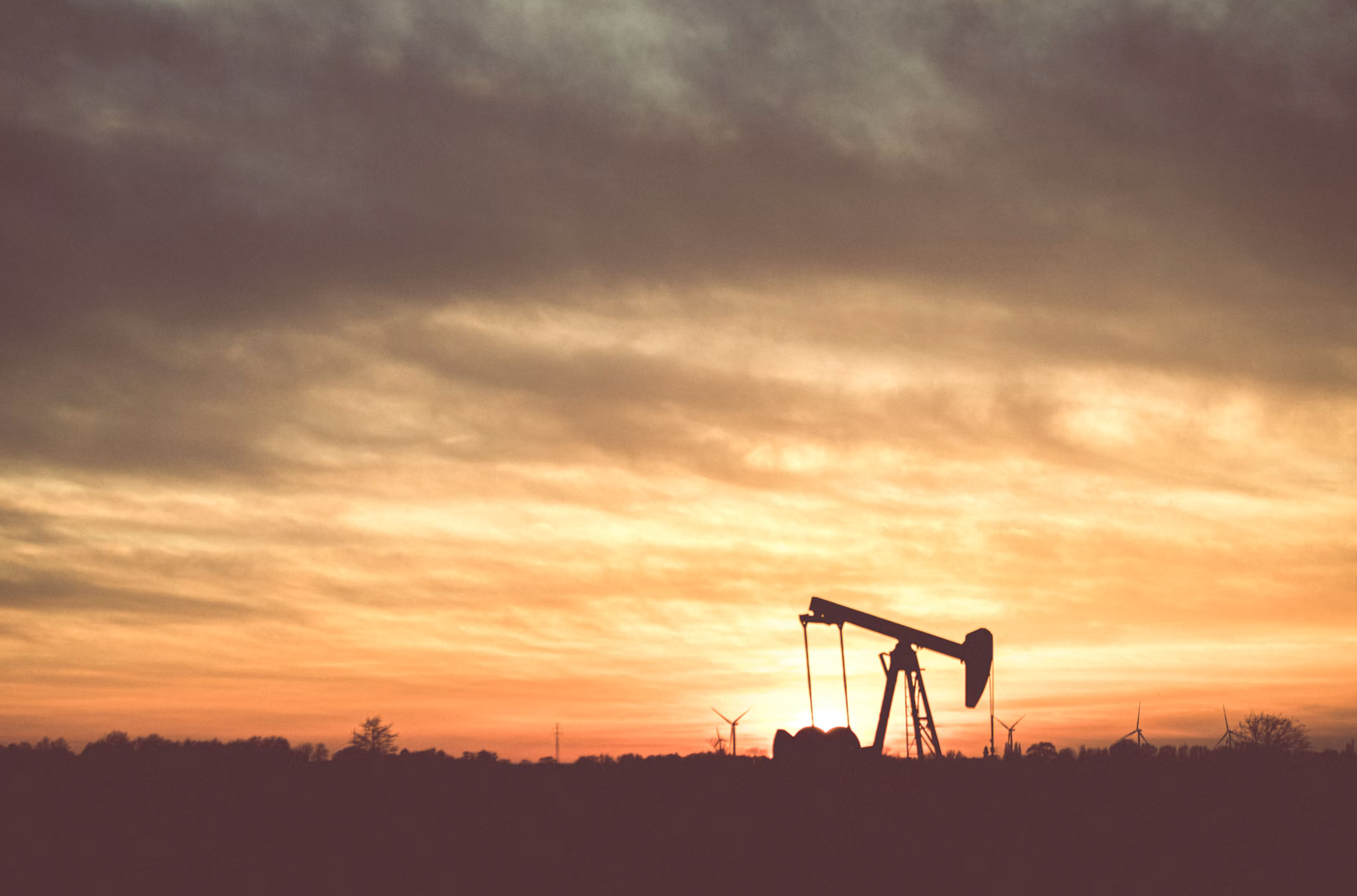
How oilfield wastewater can damage land, water, and property—and what Seminole County landowners should know.
Oil production has been part of Seminole County's history for nearly a century. From Seminole and Wewoka to Konawa, Bowlegs, and the surrounding rural communities, oil and gas development has played an important role in the local economy. But that history has also left some Oklahoma property owners dealing with an expensive and sometimes overlooked problem: land and water contamination caused by oilfield saltwater and wastewater.
When oil and gas are extracted from underground formations, large amounts of wastewater can come to the surface along with them. This wastewater, often called produced water or oilfield brine, can contain extremely high concentrations of salt, petroleum-related compounds, and other contaminants.
When that water escapes into the surrounding environment through leaks, spills, equipment failures, or improper disposal, the consequences for nearby landowners can be significant.
For property owners in Seminole County, understanding the warning signs of oilfield contamination is an important first step toward protecting their land and determining whether they may be entitled to compensation.
How Oilfield Saltwater Damages Oklahoma Property
Oilfield wastewater is different from ordinary water. Depending on its source, it may contain salt concentrations many times higher than seawater, along with other substances brought to the surface during oil production.
When this water enters soil, it can disrupt the chemical balance that allows plants, trees, and crops to grow. High sodium levels can also damage soil structure, reducing its ability to absorb and drain water properly.
The damage may extend well beyond the location of the original spill.
Saltwater can move through drainage channels, creeks, low-lying areas, and underground pathways. In some cases, contamination may remain in the soil long after the initial release, continuing to affect vegetation and agricultural productivity.
For rural property owners who depend on their land for farming, livestock, recreation, or long-term investment, these effects can become both an environmental and financial concern.
Signs of Saltwater Contamination on Your Property
Oilfield wastewater damage is not always immediately obvious. Some property owners discover a problem after noticing changes in their land that have developed over months or even years.
Common warning signs include:
Dead or dying trees: Trees may begin losing leaves, developing dead branches, or dying without an obvious explanation.
Bare patches of soil: Grass and other vegetation may stop growing in areas where they previously thrived.
White or crusty deposits: Salt accumulation can sometimes leave visible residue on the soil surface.
Unusual soil conditions: Soil may become compacted, poorly drained, or difficult to cultivate.
Changes in pond or creek water: Unusual discoloration, oily films, or changes in water quality may warrant investigation.
Declining crop or pasture productivity: Previously productive agricultural land may begin producing weaker crops or supporting less vegetation.
Unexplained livestock or water concerns: Changes involving livestock watering sources may indicate a need for professional water testing.
These signs do not necessarily prove that oilfield pollution has occurred. Drought, disease, naturally occurring soil conditions, and other environmental factors can produce similar symptoms.
However, when these changes appear near oil wells, saltwater disposal facilities, pipelines, or other oilfield infrastructure, further investigation may be warranted.
Why Seminole County Property Owners Should Pay Attention
Seminole County has a long history of oil and gas production. The area's extensive oilfield development means some properties are located near older wells, production equipment, gathering lines, and wastewater handling infrastructure.
Saltwater contamination can result from a variety of sources, including leaking pipelines, storage tank failures, improperly managed wastewater, and historical releases that were never adequately remediated.
In some situations, property owners may not realize that contamination has occurred until years after the initial release.
This is particularly concerning for families who have owned agricultural or rural property for generations. Land that has been passed down through a family may contain environmental damage that was never fully identified or addressed.
The absence of a recent spill does not necessarily mean a property is free from historical contamination.
The Financial Impact of Oilfield Pollution
The cost of oilfield contamination can extend far beyond replacing damaged grass or removing contaminated soil.
Depending on the extent of the damage, property owners may face substantial expenses associated with environmental testing, soil remediation, water treatment, agricultural losses, and reduced property value.
For farmers and ranchers, contaminated soil can reduce productive acreage and interfere with livestock operations. For homeowners, contamination may raise concerns about water supplies, landscaping, and future property use.
Even property that is not actively farmed can suffer a loss in market value when environmental contamination limits how the land can be used or creates uncertainty for potential buyers.
Properly evaluating these losses may require environmental specialists, agricultural experts, appraisers, and legal professionals who understand the complexities of oilfield-related property damage.
What to Do if You Suspect Saltwater Damage
If you own property in Seminole County and suspect oilfield wastewater contamination, there are several steps you can take to protect your interests.
Document the changes. Photograph damaged vegetation, unusual soil conditions, drainage areas, and any visible evidence of a spill. Keep records of when you first noticed the problem and how it has changed.
Identify nearby oilfield activity. Make note of wells, pipelines, tanks, disposal facilities, or other infrastructure near the affected property. You do not need to determine who is responsible before seeking assistance.
Consider professional environmental testing. Qualified environmental professionals can evaluate soil and water samples to determine whether contamination is present and help identify possible sources.
Preserve relevant records. Keep correspondence with oil companies, contractors, or regulatory agencies, along with historical photographs, agricultural records, and previous environmental reports.
Speak with an attorney before agreeing to a settlement or cleanup arrangement. An agreement that appears to address visible damage may not account for the full cost of remediation, long-term losses, or other potential consequences.
Can Property Owners Recover Compensation for Saltwater Damage?
Oklahoma property owners may have legal options when oilfield operations cause contamination or damage to their land.
Depending on the circumstances, potential claims may involve negligence, nuisance, trespass, or other applicable legal theories.
Recoverable damages may include the reasonable cost of restoring affected property, loss of use, diminished property value, and other legally compensable losses. The availability and measure of damages depend on the facts of the case and Oklahoma law.
One of the most important considerations is determining the source of contamination and establishing the connection between the responsible activity and the damage.
That process can become especially complicated when multiple operators have worked in an area or when contamination may have occurred over an extended period.
Because legal deadlines may apply, property owners should not assume that an older release—or damage discovered only recently—can be addressed at any time.
How Bolitho Law Helps Property Owners
At Bolitho Law, we represent Oklahoma property owners dealing with damage to their land and property, including damage associated with oilfield wastewater and saltwater contamination.
We understand that property is often much more than a financial asset. For many Oklahoma families, it represents years of work, agricultural income, family history, and something they intend to pass on to future generations.
When contamination threatens that investment, property owners deserve to understand what happened, who may be responsible, and what options are available.
Our firm helps property owners evaluate potential claims, understand the extent of their losses, and pursue appropriate compensation when supported by the evidence and law.
Whether you have noticed dying trees, declining pasture conditions, unusual soil changes, or other signs of possible contamination, having the situation evaluated early can help preserve important evidence.
Concerned About Oilfield Saltwater Damage in Seminole County?
If you own land in Seminole County, Oklahoma, and believe oilfield wastewater or saltwater may have damaged your property, Bolitho Law can help you understand your legal options.
You do not need to know the exact source of the contamination or have every answer before contacting an attorney.
Contact Bolitho Law for a no-obligation review of your situation.