
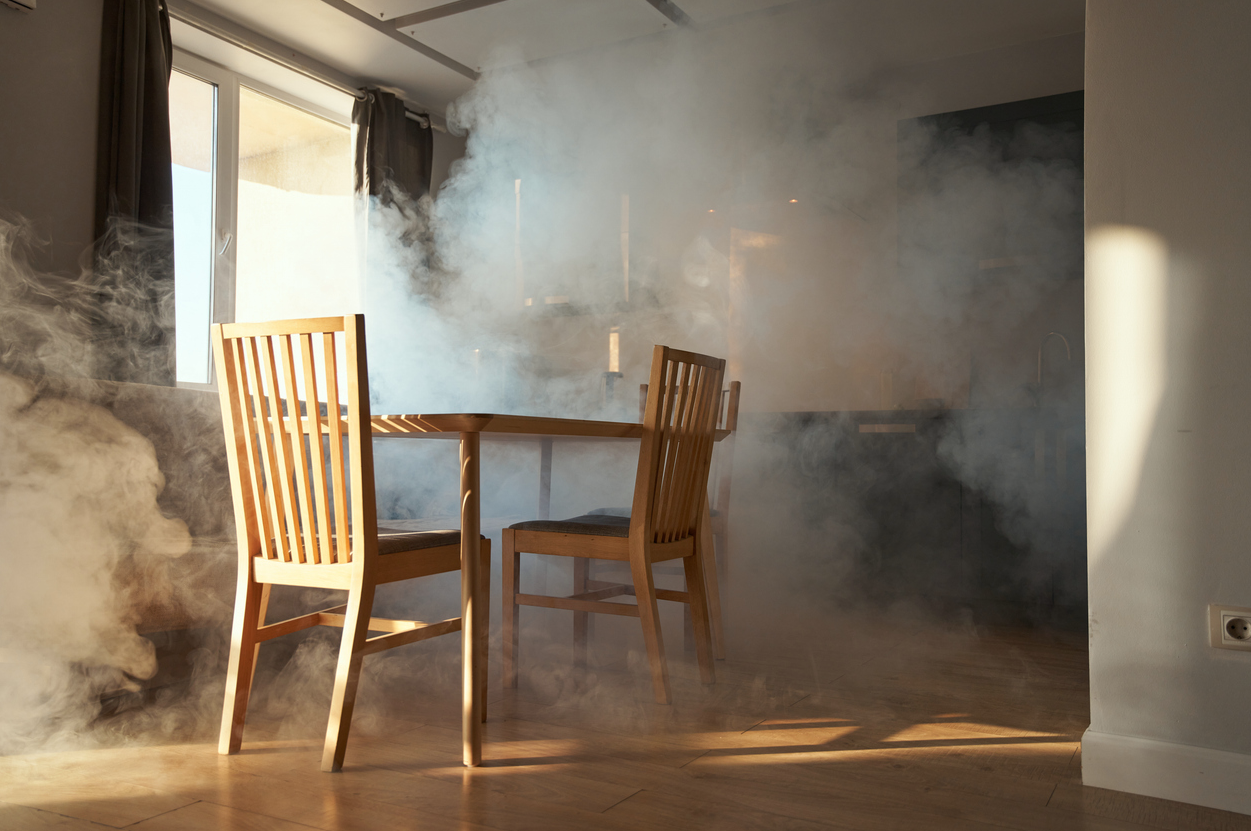
Property damage can happen when you least expect it. A severe storm moves through your neighborhood, a pipe bursts while you're away, or a fire damages your home or business. In a matter of hours, you can find yourself facing thousands of dollars in repairs and an insurance claim you never expected to make.
For Oklahoma property owners, these situations are especially familiar. Our unpredictable weather brings everything from damaging hail and tornadoes to wildfires and severe thunderstorms. Even outside of storm season, accidents and unexpected events can leave homeowners dealing with significant property losses.
Insurance is supposed to help you recover from these situations. Unfortunately, filing a claim doesn't always mean receiving the compensation you're entitled to under your policy.
Understanding the most common types of property damage claims, what insurance may cover, and where problems can arise can help you protect your property and make more informed decisions during the claims process.
1. Water Damage
Water damage is one of the most common and potentially expensive problems homeowners encounter. A burst pipe, leaking appliance, damaged roof, or plumbing failure can quickly affect flooring, drywall, insulation, and personal belongings.
What begins as a relatively small leak can develop into a much larger problem, particularly when moisture reaches areas that aren't immediately visible.
Insurance coverage for water damage often depends on how the damage occurred. Many homeowners policies cover sudden and accidental water damage, such as a pipe unexpectedly bursting. However, damage caused by long-term leaks, poor maintenance, or flooding may be excluded.
One of the most important distinctions is the difference between water damage and flood damage. Standard homeowners insurance generally excludes flooding caused by rising surface water, which usually requires separate flood insurance.
When water damage occurs, document the affected areas, take reasonable steps to prevent additional damage, and keep records of any emergency repairs.
If your insurance company denies the claim or offers less than the cost of necessary repairs, understanding the reason for that decision is important.
2. Fire and Smoke Damage
Few property losses are as disruptive as a house or business fire. Beyond the immediate damage, property owners may face months of repairs, temporary relocation, and the difficult process of replacing personal belongings.
The damage also extends well beyond what the flames actually touched.
Smoke and soot can travel throughout a building, affecting walls, ceilings, furniture, clothing, electronics, and HVAC systems. Water used to extinguish the fire can create additional damage, and structural components may require extensive inspection or replacement.
Most standard homeowners insurance policies provide coverage for accidental fire damage, subject to the policy's terms and exclusions. Depending on the coverage, this may include repairing or rebuilding the structure, replacing damaged belongings, and paying certain additional living expenses when the home cannot be occupied.
However, disagreements can arise over the extent of the damage, the cost of repairs, or whether certain items can be cleaned rather than replaced.
A proper fire damage assessment should consider the full extent of the loss, including damage that may not be immediately visible.
At Bolitho Law, we understand how overwhelming the recovery process can be after a fire. Our firm helps Oklahoma property owners navigate insurance disputes and pursue the compensation available under their policies.
3. Wind and Storm Damage
Oklahoma homeowners are no strangers to severe weather. High winds, thunderstorms, and tornadoes can cause extensive damage to homes, businesses, and other structures.
Storm damage often includes missing shingles, damaged roofing materials, broken windows, damaged siding, fallen trees, and water intrusion. In more severe situations, storms can compromise the structural integrity of a building.
While many homeowners insurance policies provide coverage for wind-related damage, disputes can arise when an insurance company attributes the damage to normal wear and tear, age, or improper maintenance.
For example, an insurance adjuster may acknowledge that a storm occurred but conclude that the roof was already deteriorating before the event. In other cases, the insurer may approve a limited repair when the damage requires more extensive work.
These disagreements can leave homeowners facing substantial out-of-pocket expenses.
After a major storm, it's important to document visible damage and have the property evaluated by a qualified professional. Avoid climbing onto a damaged roof yourself, and keep records of any temporary repairs needed to protect the property.
If the insurance company's assessment doesn't appear to reflect the actual damage, you may have grounds to challenge its findings.
4. Theft and Vandalism
Property damage isn't always caused by weather or accidents. Theft, burglary, and vandalism can also leave homeowners and business owners dealing with unexpected losses.
These claims may involve stolen electronics, tools, jewelry, or other personal property. Vandalism can include broken windows, damaged doors, graffiti, or intentional destruction of building materials and fixtures.
Many property insurance policies provide some protection against theft and vandalism, although coverage limits and exclusions may apply.
When these incidents occur, filing a police report and documenting the damage are important first steps. Photographs, receipts, security footage, and an inventory of missing items can help establish the extent of the loss.
Disputes sometimes arise over the value of stolen property or whether certain items are covered. Insurance companies may also apply special limits to jewelry, collectibles, and other high-value belongings.
Reviewing your policy and maintaining an accurate inventory can make the claims process easier if you experience a theft or vandalism loss.
5. Mold Damage
Mold can become a serious concern following water damage, particularly when moisture remains trapped inside walls, flooring, or other building materials.
In Oklahoma's warm and humid conditions, mold can develop after plumbing failures, roof leaks, flooding, or other moisture-related events.
Beyond the cost of removing the mold itself, remediation may require removing drywall, flooring, insulation, and other affected materials.
Insurance coverage for mold damage can be complicated. Some policies provide limited coverage when mold develops as a direct result of a covered water loss. Others contain specific exclusions, restrictions, or dollar limits.
For example, if a pipe suddenly bursts and the resulting moisture causes mold growth, some related remediation expenses may be covered. However, mold caused by long-term moisture problems or neglected maintenance may be excluded.
Because coverage depends on the circumstances and policy language, determining the original source of the moisture is often an important part of the claim.
If you discover mold after a covered property loss, document the conditions and seek professional guidance before beginning extensive remediation. Keep copies of inspection reports, estimates, and related expenses.
6. Hail Damage
Hail is one of the most familiar causes of property damage in Oklahoma. A single storm can damage roofs, gutters, siding, windows, outdoor equipment, and vehicles throughout an entire neighborhood.
Some hail damage is immediately obvious. Other damage, particularly to roofing materials, may be difficult to recognize without a professional inspection.
Hail impacts can fracture shingles, dislodge protective granules, damage flashing, and compromise roofing components. Over time, these problems may allow water to enter the home and cause additional damage.
Unfortunately, hail claims are also a frequent source of disagreements between homeowners and insurance companies.
An insurer may determine that the damage is cosmetic, attribute it to the roof's age, or approve repairs to only a portion of the roof. In some cases, a homeowner may receive an estimate that falls well below the actual cost of restoring the property.
The insurance company's initial estimate is not necessarily the final word on what your claim is worth.
If you believe your hail damage has been overlooked or undervalued, you can request an explanation of the insurer's findings and provide additional documentation supporting your claim.
Bolitho Law works with Oklahoma property owners whose hail and storm damage claims have been denied, delayed, or underpaid.
What to Do After Your Property Is Damaged
Regardless of what caused the damage, the steps you take afterward can make a difference in how your insurance claim is handled.
First, make sure the property is safe. If necessary, contact emergency services or qualified professionals before entering damaged areas.
Once it is safe, photograph and document the damage as thoroughly as possible. Take pictures of affected rooms, damaged materials, and personal belongings. Keep receipts for emergency repairs, temporary accommodations, and other expenses related to the loss.
Notify your insurance company promptly and follow the reporting requirements in your policy. It's also a good idea to keep copies of all communications, inspection reports, estimates, and claim-related documents.
Property owners generally have a responsibility to take reasonable steps to prevent additional damage. However, when possible, document the original conditions before making permanent repairs.
As the claim progresses, review the insurance company's estimate carefully. Make sure it accounts for the damage you've identified and the work necessary to properly restore the property.
If something doesn't seem right, ask questions. You have the right to understand how your claim was evaluated and why certain repairs or expenses may have been excluded.
When an Insurance Claim Becomes a Problem
Most homeowners purchase insurance with the expectation that it will provide financial protection when something goes wrong. They pay their premiums, maintain their property, and trust that their insurance company will honor its obligations.
Many claims are resolved without significant disagreements. Others become complicated when an insurer denies coverage, delays its investigation, or offers a settlement that doesn't adequately account for the covered damage.
Sometimes the disagreement involves the cause of the damage. Other times, the insurance company and property owner simply have very different assessments of what it will cost to make the necessary repairs.
Oklahoma insurance companies have a legal obligation to handle claims in good faith. This includes reasonably investigating claims, evaluating available evidence, and making coverage decisions consistent with the insurance policy and applicable law.
A denied or underpaid claim doesn't automatically mean the insurance company has acted improperly. However, when an insurer fails to meet its obligations, property owners may have legal options.
Understanding those options can be especially important when the cost of repairs is substantial or the claim has remained unresolved for an extended period.
How Bolitho Law Helps Oklahoma Property Owners
At Bolitho Law, we help Oklahoma homeowners and business owners navigate difficult insurance claims.
Our firm focuses on insurance disputes, including property damage claims involving hail, wind, fire, water, and other covered losses. We work with property owners whose claims have been denied, delayed, or underpaid, helping them understand their policies and pursue the compensation they may be entitled to receive.
With more than 30 years of combined insurance adjusting experience supporting our legal team, we understand how insurance companies investigate and evaluate property losses. That experience helps us identify problems in the claims process and advocate for fair treatment of policyholders.
If your home or business has suffered property damage and you're having difficulty with your insurance company, you don't have to navigate the process alone.
Bolitho Law is here to help you understand your options and work toward a fair resolution.
Visit bolitho.law or call 405-882-7667 to discuss your property damage insurance claim.