
First Steps After a Flood
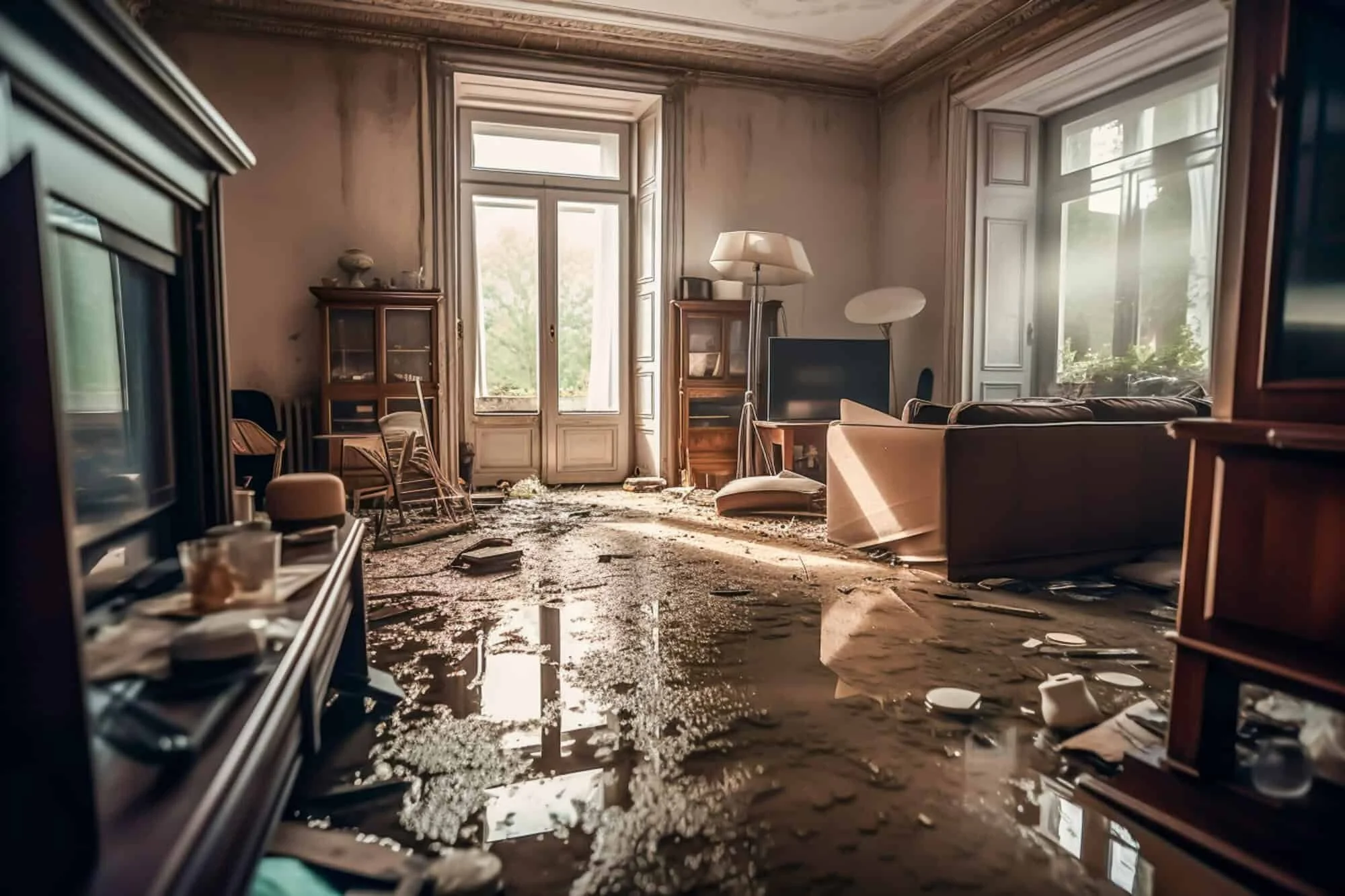
Flooding can turn a home or business upside down in a matter of minutes. Whether the water came from severe weather, a burst pipe, a failed appliance, a roof leak, or another source, the damage often extends far beyond what you can immediately see.
Water can move behind walls, underneath flooring, into insulation, through electrical systems, and into personal property or business equipment. Even after the standing water is gone, moisture left behind can create additional problems.
If your home or business has experienced significant water damage, what you do in the first few hours and days can make a difference—not only in protecting your property, but also in protecting your insurance claim.
Make Safety the First Priority
Before worrying about cleanup or insurance, make sure the property is safe to enter. Floodwater can create electrical hazards, weaken floors and ceilings, introduce contaminants, and cause other dangers that may not be immediately obvious.
If there is significant standing water, structural damage, or any question about electrical safety, wait until the property has been evaluated by the appropriate professionals. Your belongings can wait. Your safety cannot.
Document the Damage Before Cleanup Begins
Once it is safe to enter, thoroughly document the condition of the property before removing damaged materials or beginning major cleanup.
Take photos and videos of each affected room from several angles. Capture water lines, damaged flooring, walls, ceilings, cabinets, furniture, appliances, electronics, inventory, equipment, and personal belongings. For a business, document damaged merchandise, machinery, office equipment, supplies, and anything else that may become part of the insurance claim.
Don't focus only on individual damaged items. Wide photos and video can help establish the overall condition of the property and the extent of the loss.
The goal is to create a record of what the property looked like immediately after the flood.
Stop Additional Damage When You Can Do So Safely
Most insurance policies require property owners to take reasonable steps to prevent additional damage after a loss.
That may mean shutting off the water, arranging for water extraction, covering an opening that is allowing rain inside, moving undamaged belongings away from standing water, or beginning the drying process.
There is an important difference, however, between preventing additional damage and immediately beginning permanent repairs.
Emergency work may be necessary. Major reconstruction can usually wait until the damage has been properly documented and the insurance company has had an opportunity to inspect the property.
Keep receipts and records for emergency expenses, temporary repairs, water extraction, equipment rentals, lodging, and other costs related to protecting the property.
Notify Your Insurance Company
Report the loss to your insurance company as soon as reasonably possible and ask for your claim number and adjuster's contact information.
You should also request a complete copy of your insurance policy if you do not already have one.
Coverage for water damage can become complicated because the source of the water matters. Damage caused by a burst pipe, storm-created opening, sewer backup, or rising surface water may be treated differently under an insurance policy. Some losses may require separate flood insurance.
Because coverage depends on the policy language and circumstances of the loss, avoid making assumptions about what is or is not covered before the policy has been reviewed.
Be Careful About Throwing Things Away
After a flood, the instinct is understandably to start getting ruined materials and belongings out of the building.
Before disposing of damaged property, photograph it thoroughly. When possible and safe, keep damaged items until the insurance company has inspected them or confirmed that they can be discarded.
If materials must be removed quickly because they are contaminated or creating a health hazard, document their condition and removal as carefully as possible.
For large losses, creating an inventory can also be helpful. Record what was damaged, where it was located, its approximate age, and its estimated replacement cost. Receipts, photographs taken before the loss, credit card records, manuals, and online purchase histories may help establish ownership and value.
Don't Overlook Hidden Water Damage
One of the difficulties with flood and water claims is that the visible damage may only be part of the problem.
Water can travel underneath flooring and cabinets or become trapped behind drywall and inside wall cavities. Moisture can affect insulation, electrical components, HVAC systems, framing, and other areas that aren't obvious during an initial walkthrough.
A room that appears relatively normal after the water is extracted may still require substantial drying or repair.
That is why professional moisture testing and a careful evaluation of the entire affected area can be important after a significant water loss.
Keep Everything Related to the Claim
Insurance claims can involve dozens of conversations, documents, estimates, photographs, and expenses. Start keeping everything together from the beginning.
Save emails and letters from the insurance company, estimates from contractors and restoration companies, photographs, receipts, claim documents, reports, and notes from conversations with adjusters.
It can also help to keep a simple timeline recording when the loss occurred, when it was reported, when inspections happened, what work was performed, and what the insurance company told you.
For businesses, keep records of interruptions to normal operations as well. Depending on the policy, there may be coverage for lost income or certain additional expenses resulting from a covered loss.
Pay Attention to How the Insurance Company Handles Your Claim
Many property claims are handled appropriately and resolved without a dispute. Others become more complicated.
You may receive an estimate that seems far below the actual cost of repairs. The insurer may disagree about the cause of the damage, exclude portions of the loss, delay its investigation, or deny coverage altogether.
A disagreement with the insurance company does not automatically mean it has acted improperly. But you do not have to accept an insurance company's decision simply because it has been presented as final.
If something about the claim doesn't seem right, ask questions and request explanations in writing.
When It May Be Time to Talk With an Attorney
After a major flood, property owners are often trying to deal with contractors, restoration companies, adjusters, temporary housing, business interruptions, and the normal responsibilities of life all at once. An insurance dispute can add another layer of stress to an already difficult situation.
Bolitho Law helps Oklahoma homeowners and business owners with property insurance claims, including claims involving significant water damage.
If your claim has been denied, delayed, underpaid, or you are concerned about how your insurance company is handling the loss, we can review the circumstances of your claim and help you understand your options.
The first days after a flood can feel overwhelming. Start with safety, document everything you can, protect the property from additional damage, and keep good records. You don't have to know how the entire insurance process works on day one.
If problems arise along the way, Bolitho Law is here to help.