
Golf Balls vs. Hailstones: Insurance Said It Was Golf Balls
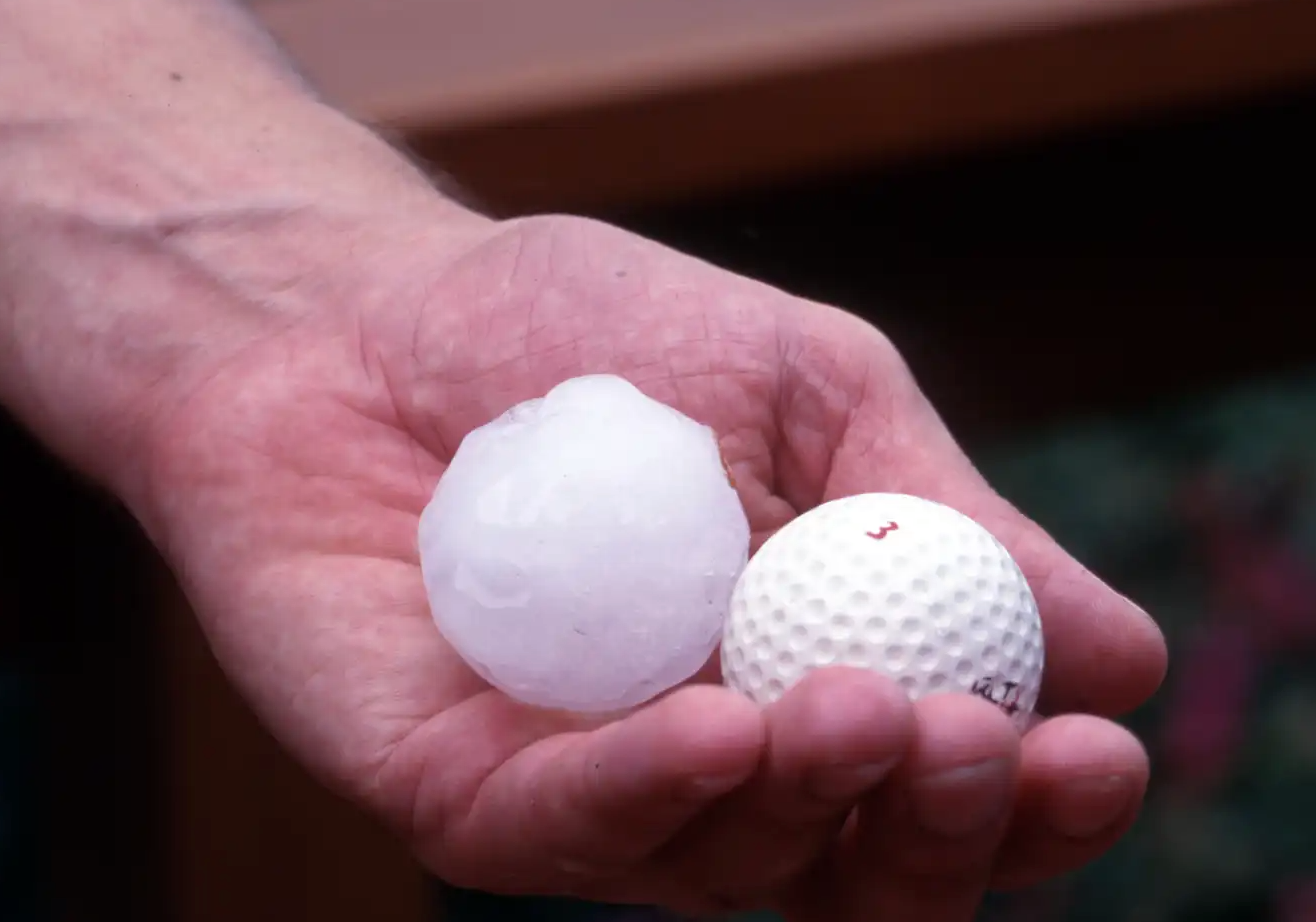
After a major hailstorm, you inspect your property and find damage to your roof. Maybe a roofer confirms what you suspected: the roof has been hit by hail. You file an insurance claim expecting the process to be fairly straightforward.
Then the insurance company tells you the damage wasn’t caused by the storm.
We’ve seen plenty of explanations for why an insurance company believes roof damage isn’t covered, but one case we handled at Bolitho Law stands out.
The home was located near a golf course. The roof had damage consistent with impacts, but rather than attributing that damage to hail, the insurance adjuster claimed the marks were caused by golf balls.
Yes, golf balls.
That explanation was important because if the insurance company could attribute the damage to something other than the covered storm event, it could avoid paying for the loss.
We disagreed. We fought the insurance company on behalf of the homeowner, and we won the case.
The story may sound unusual, but the larger problem is something Oklahoma property owners encounter regularly. A storm moves through, a roof is damaged, and the insurance company argues that the damage came from something else.
Why Insurance Companies Dispute the Cause of Roof Damage
Determining what caused damage is one of the most important parts of a property insurance claim.
Your policy may cover damage caused by hail or wind while excluding or limiting coverage for deterioration, improper installation, maintenance problems, or other causes. As a result, the disagreement sometimes isn't about whether damage exists. The disagreement is about what caused it.
An insurer may attribute roof damage to age, normal wear and tear, manufacturing defects, foot traffic, previous storms, installation problems, or—as we discovered in one case—golf balls.
That distinction can mean thousands or even tens of thousands of dollars to a homeowner.
A Denial Isn't Necessarily the Final Word
If your insurance company says the damage to your roof wasn't caused by the storm, don't assume the adjuster's conclusion settles the issue.
Insurance adjusters make determinations based on the information available to them, and those determinations can be challenged.
Depending on the circumstances, evidence may include photographs, weather records, inspection findings, damage patterns, reports from contractors or other professionals, the condition of surrounding property, and documentation showing when the damage appeared.
The details matter.
This is especially important when the insurer acknowledges that your roof is damaged but disputes the cause. If their explanation doesn't match the physical evidence or what actually happened at the property, there may be reason to take a closer look.
What Should You Do If Your Roof Claim Is Denied or Underpaid?
Start by asking the insurance company to clearly explain its position in writing. You want to understand exactly why it believes the damage isn't storm-related and which portions of your policy it is relying upon.
Keep your own records as well. Save photographs and videos of the property, estimates, inspection reports, correspondence with the insurance company, and anything else related to the loss. Avoid making permanent repairs or disposing of damaged materials before the condition has been adequately documented, unless repairs are necessary to protect the property from additional damage.
Most importantly, remember that you don't have to simply accept an insurance company's explanation because it came from an adjuster.
When significant money is at stake, it can be worth having someone experienced in property insurance disputes review the claim, the policy, and the evidence.
Bolitho Law Helps Oklahoma Property Owners Fight Insurance Disputes
At Bolitho Law, we represent Oklahoma property owners when insurance claims are denied, delayed, or underpaid.
Sometimes the disagreement involves the amount of damage. Other times, the insurance company argues that the damage isn't covered at all because something other than the storm caused it.
We've seen firsthand how important it can be to challenge those conclusions.
In the golf-course case, accepting the insurance company's explanation would have meant accepting that the roof damage came from golf balls rather than the storm. We didn't accept it. Bolitho Law fought the case and won.
If your insurance company is telling you that obvious storm damage was caused by something else, you may have options.
Before accepting the insurance company's answer, let us take a look.
Contact Bolitho Law for a free, no-obligation consultation about your Oklahoma property insurance claim.