
What a House Fire Can Leave Behind
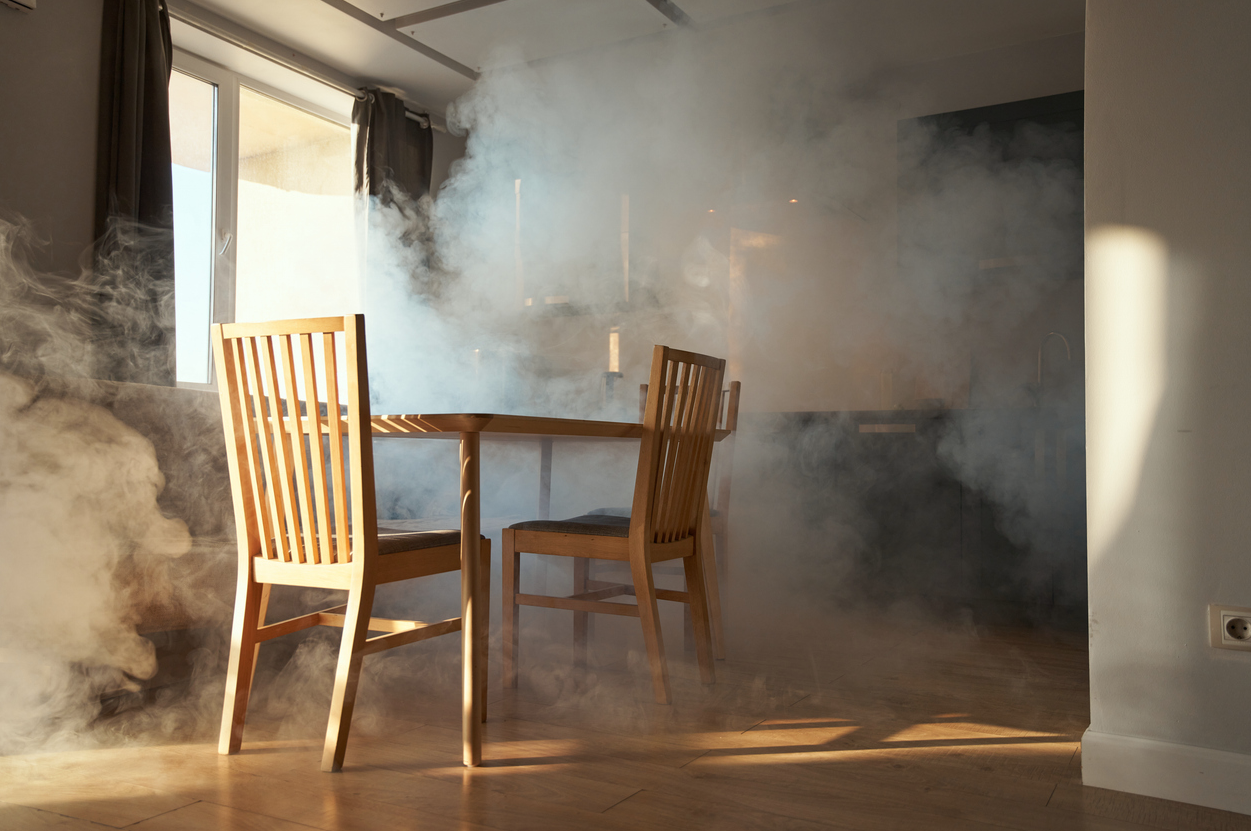
When a house fire is extinguished, the most visible damage naturally gets most of the attention. Burned walls, damaged roofing, destroyed belongings, and other obvious signs of the fire are usually the first things homeowners see.
But the flames are only part of the damage a house fire can cause.
Smoke and soot can travel throughout a home, affecting rooms and belongings far from where the fire started. At the same time, the water used to extinguish the fire can create another layer of damage that may not become fully apparent until days or weeks later.
For Oklahoma homeowners filing a fire insurance claim, identifying and documenting all three types of damage can be important to making sure the full extent of the loss is considered.
Smoke Damage Can Travel Throughout Your Home
Smoke does not stay in the room where a fire begins. It moves through hallways, air ducts, wall cavities, attics, and other areas of the home.
That means a room can look relatively untouched by the fire while still having significant smoke damage.
Smoke can affect walls, ceilings, flooring, furniture, clothing, electronics, insulation, and HVAC systems. Odors may also remain even after surfaces have been cleaned.
This is one reason homeowners should be cautious about assuming that everything outside the visibly burned area is undamaged.
A proper evaluation of a fire loss should consider how smoke moved through the home and what materials were exposed.
Soot Can Create Damage of Its Own
Soot is made up of fine particles created during combustion. Depending on what burned, those particles can settle throughout the house and penetrate materials that may be difficult to clean.
The question then becomes whether something can actually be restored or needs to be replaced.
An insurance company may determine that cleaning is sufficient for certain walls, flooring, furniture, cabinets, or personal belongings. A homeowner or restoration professional may disagree.
Those differences can have a significant impact on the value of a fire insurance claim.
Cleaning an item is generally much less expensive than replacing it. When that question is repeated across an entire house, the difference between the insurance company's estimate and the actual cost of restoring the property can become substantial.
Water Damage Is Part of Many Fire Losses
Water is necessary to extinguish a fire, but the amount of water required can cause significant additional damage.
Firefighters may use large quantities of water to bring a structure fire under control. That water can soak drywall, insulation, flooring, cabinetry, furniture, and other materials throughout the home.
There may also be openings in the roof, walls, doors, or windows created by the fire or firefighting efforts. If the property is exposed to rain afterward, additional water can enter the structure.
Moisture trapped inside walls, ceilings, flooring, and insulation can create problems that are not immediately visible.
This is why drying and protecting the property after a fire can be an important part of the recovery process.
The Damage May Be Greater Than What You Can See
One of the biggest challenges with a house fire insurance claim is determining the true scope of the loss.
Imagine a fire that primarily damages the kitchen and living area. Several other rooms may have no visible fire damage at all. At first glance, those rooms might appear to require little work.
But smoke may have traveled through the HVAC system. Soot may have settled on walls and belongings. Water may have traveled beneath flooring or into adjoining walls.
An estimate based primarily on visible fire damage could therefore miss a significant portion of what actually needs to be restored.
This is one reason there can be such a large difference between an insurance company's initial estimate and estimates prepared by contractors or restoration professionals.
Cleaning vs. Replacing Fire-Damaged Property
After a significant house fire, one of the most important questions is often whether damaged materials and belongings can reasonably be cleaned or whether they need to be replaced.
There isn't necessarily one answer that applies to everything in the house.
Some materials may respond well to professional cleaning. Others may absorb smoke, odor, soot, or moisture in ways that make restoration much more difficult.
The type of material matters. The severity of the exposure matters. The location of the item within the home matters.
When an insurance company proposes cleaning something that a qualified professional believes should be replaced, homeowners should ask questions and document the disagreement.
The same principle applies to parts of the house itself. Flooring, drywall, insulation, cabinetry, ductwork, and other building materials may require different approaches depending on the extent of the damage.
Document Everything Before Cleanup Begins
The days following a house fire can feel overwhelming, and most homeowners understandably want to begin cleaning as quickly as possible.
Before significant cleanup or disposal takes place, however, document the property as thoroughly as circumstances safely allow.
Take photographs and video of damaged rooms and belongings. Photograph areas with visible soot, smoke staining, and water damage. Keep damaged personal property until your insurance company has had an appropriate opportunity to inspect it, unless keeping it would be unsafe or your insurer directs otherwise.
Save estimates, invoices, receipts, reports, emails, and other documents related to the loss.
You should also keep records of your communication with the insurance company.
The more clearly the condition of the property is documented, the easier it may be to establish the extent of the damage later.
What If the Insurance Company's Estimate Doesn't Include Everything?
An insurance adjuster's initial estimate does not necessarily capture every part of a major fire loss.
Additional damage may be discovered as cleanup begins and contractors gain access to areas that were previously concealed. There may also be disagreements about the appropriate method of repair, whether materials should be cleaned or replaced, and how much the work will actually cost.
If you believe important smoke, soot, or water damage has been left out of your insurance claim, compare the insurer's estimate carefully with the damage documented by your contractors and restoration professionals.
Look beyond the total dollar amount. The difference may be found in the scope of work itself.
What did the insurance company include? What did it leave out? Did it allow for cleaning where your contractor recommends replacement? Did it account for damage to insulation, ductwork, flooring, or other less-visible areas?
Understanding those differences can help identify where the claim has become underpaid.
When to Get Help With a Fire Insurance Claim
A significant house fire can result in one of the largest insurance claims a homeowner will ever make.
If your insurance company is minimizing smoke or soot damage, refusing to pay for necessary replacement, overlooking water damage, delaying payment, or offering significantly less than your contractors believe it will cost to restore your home, it may be time to have the claim reviewed.
Learn more about [how Bolitho Law helps Oklahoma homeowners with fire damage insurance claims when an insurance company delays, denies, or underpays a claim.
We can review your insurance policy, estimates, documentation, and the insurance company's handling of the claim to help you understand what options may be available.
If your Oklahoma home has been damaged by fire, smoke, soot, or water and you are having trouble with your insurance claim, contact Bolitho Law for a complimentary claim evaluation.